Home › Insights › UV Light Sterilizers

UV Light Sterilizers

UV Light Sterilizers

UV light sterilizers are revolutionizing the way we approach water treatment, providing a chemical-free, highly effective method for disinfecting water. This technology leverages ultraviolet (UV) light to neutralize harmful microorganisms, making it an ideal solution for applications that demand high levels of purity and safety. Here’s a closer look at how UV light sterilizers work, their benefits, and their specific applications in water treatment.

What is a UV Light Sterilizer?

A UV light sterilizer is a device that emits ultraviolet light, targeting pathogens and bacteria within a water supply. When water passes through the sterilizer, UV light penetrates the cells of microorganisms, disrupting their DNA and rendering them inactive. This process prevents harmful bacteria, viruses, and other pathogens from reproducing and causing harm, without introducing chemicals into the water. The power of a UV light sterilizer lies in its ability to disinfect water quickly, efficiently, and safely.

How Does a UV Light Sterilizer Work?

UV light sterilizers operate on the principle of ultraviolet germicidal irradiation (UVGI), which uses UV-C light at wavelengths between 200-280 nanometers. This type of UV light is particularly effective at killing microorganisms. In water treatment, a UV light sterilizer is installed in a way that forces water to flow over UV lamps, typically encased in protective quartz sleeves. As water flows through the device, microorganisms are exposed to UV light, which disrupts their genetic material, making it impossible for them to replicate and pose a risk.
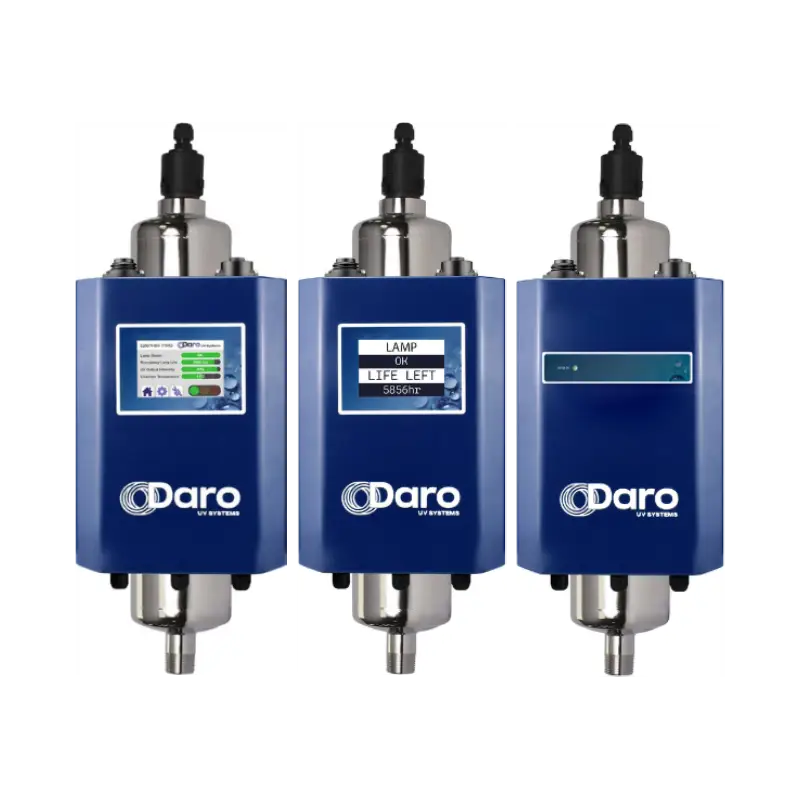
Saphir UV Water Treatment

Benefits of Using a UV Light Sterilizer in Water Treatment

Using UV light sterilizers in water treatment applications comes with numerous benefits that are worth considering, especially for sectors requiring high water purity.

  1. Chemical-Free Process
    UV light sterilizers do not use any chemicals, making them an eco-friendly option. Unlike chlorine, which can leave residual compounds, UV light sterilizers ensure clean water without altering its taste, odor, or chemical composition.

  2. Effective Against a Broad Spectrum of Microorganisms
    UV light sterilization is effective against a wide range of pathogens, including bacteria, viruses, and even some protozoa that are resistant to chlorine, such as Cryptosporidium and Giardia. This makes it a valuable addition to both industrial and residential water treatment systems.

  3. Immediate Disinfection
    With UV light sterilizers, there’s no waiting period for disinfection. As water passes through the sterilizer, pathogens are immediately neutralized, providing continuous, on-demand purification.

  4. Low Maintenance and Operational Costs
    UV light sterilizers require minimal maintenance beyond periodic cleaning and bulb replacement. They have low energy consumption compared to other water treatment technologies, resulting in significant cost savings over time.

Applications of UV Light Sterilizer in Water Treatment

UV light sterilizers have a wide range of applications in water treatment. Here are some of the key areas where they are used:

1. Drinking Water Disinfection

One of the most common applications for UV light sterilizers is in drinking water treatment. Whether in municipal water systems or private wells, a UV light sterilizer can serve as an effective barrier against pathogens, ensuring that drinking water meets safety standards. Since it doesn’t add chemicals to the water, it is often preferred in residential settings where consumers are concerned about chlorine and its by-products.

2. Industrial Water Treatment

Industries such as food and beverage, pharmaceuticals, and electronics manufacturing require high-purity water to meet stringent quality standards. UV light sterilizers are essential in these industries to prevent microbial contamination that could affect product safety and quality. UV sterilization is particularly beneficial in the pharmaceutical industry, where water used in processes must be free from microbial contaminants to comply with regulatory standards.

3. Aquaculture and Fish Farming

UV light sterilizers play an important role in aquaculture by controlling bacterial growth and preventing waterborne diseases that can impact fish health. In fish farming, maintaining a clean water supply is essential to minimize the risk of disease outbreaks, ensuring the health of the stock. UV light sterilizers help achieve this by continually disinfecting water circulating through the system.

4. Wastewater Treatment and Reuse

As water scarcity becomes a growing concern, UV light sterilizers are being integrated into wastewater treatment systems to make treated water safe for reuse. UV treatment effectively reduces pathogens in wastewater, making it suitable for irrigation or industrial applications. This is particularly useful in areas where water resources are limited, allowing for sustainable water recycling practices.

5. Cooling Towers and HVAC Systems

In HVAC and cooling tower systems, water is recirculated, creating an environment that can foster microbial growth. A UV light sterilizer can be used to prevent the spread of bacteria, like Legionella, in these systems. By integrating UV sterilization into HVAC and cooling tower maintenance routines, companies can improve water quality and reduce the risk of airborne transmission of pathogens.

Key Considerations When Using a UV Light Sterilizer

When selecting and installing a UV light sterilizer, there are several factors to keep in mind:

  • Flow Rate and System Sizing
    The effectiveness of a UV light sterilizer is determined by the intensity and duration of UV exposure, which is affected by the flow rate. Systems must be sized appropriately to ensure adequate exposure, especially in high-flow applications.

  • Water Quality
    UV sterilizers are most effective in clear water. Turbidity, iron, and hardness can hinder UV penetration, reducing its effectiveness. Pre-filtration is often necessary in cases where water contains particles or impurities.

  • Maintenance and Monitoring
    Regular maintenance, including cleaning the quartz sleeve and replacing UV lamps, is essential to keep the UV light sterilizer functioning optimally. Some systems also include UV intensity monitors to ensure the light output remains effective over time.

In water treatment, UV light sterilizers offer a powerful and environmentally friendly solution for pathogen control. They provide safe, effective, and chemical-free disinfection, making them suitable for a wide range of applications, from drinking water systems to industrial processing and wastewater reuse. With increasing demand for sustainable and high-purity water solutions, UV light sterilizers are becoming indispensable in modern water treatment strategies.

As technology advances, we can expect even greater innovation and efficiency in UV light sterilizers, further enhancing their role in water purification across multiple sectors.

UV light sterilizers are revolutionizing the way we approach water treatment, providing a chemical-free, highly effective method for disinfecting water. This technology leverages ultraviolet (UV) light to neutralize harmful microorganisms, making it an ideal solution for applications that demand high levels of purity and safety. Here’s a closer look at how UV light sterilizers work, their benefits, and their specific applications in water treatment.

What is a UV Light Sterilizer?

A UV light sterilizer is a device that emits ultraviolet light, targeting pathogens and bacteria within a water supply. When water passes through the sterilizer, UV light penetrates the cells of microorganisms, disrupting their DNA and rendering them inactive. This process prevents harmful bacteria, viruses, and other pathogens from reproducing and causing harm, without introducing chemicals into the water. The power of a UV light sterilizer lies in its ability to disinfect water quickly, efficiently, and safely.

How Does a UV Light Sterilizer Work?

UV light sterilizers operate on the principle of ultraviolet germicidal irradiation (UVGI), which uses UV-C light at wavelengths between 200-280 nanometers. This type of UV light is particularly effective at killing microorganisms. In water treatment, a UV light sterilizer is installed in a way that forces water to flow over UV lamps, typically encased in protective quartz sleeves. As water flows through the device, microorganisms are exposed to UV light, which disrupts their genetic material, making it impossible for them to replicate and pose a risk.

Benefits of Using a UV Light Sterilizer in Water Treatment

Using UV light sterilizers in water treatment applications comes with numerous benefits that are worth considering, especially for sectors requiring high water purity.

  1. Chemical-Free Process
    UV light sterilizers do not use any chemicals, making them an eco-friendly option. Unlike chlorine, which can leave residual compounds, UV light sterilizers ensure clean water without altering its taste, odor, or chemical composition.

  2. Effective Against a Broad Spectrum of Microorganisms
    UV light sterilization is effective against a wide range of pathogens, including bacteria, viruses, and even some protozoa that are resistant to chlorine, such as Cryptosporidium and Giardia. This makes it a valuable addition to both industrial and residential water treatment systems.

  3. Immediate Disinfection
    With UV light sterilizers, there’s no waiting period for disinfection. As water passes through the sterilizer, pathogens are immediately neutralized, providing continuous, on-demand purification.

  4. Low Maintenance and Operational Costs
    UV light sterilizers require minimal maintenance beyond periodic cleaning and bulb replacement. They have low energy consumption compared to other water treatment technologies, resulting in significant cost savings over time.

Applications of UV Light Sterilizer in Water Treatment

UV light sterilizers have a wide range of applications in water treatment. Here are some of the key areas where they are used:

1. Drinking Water Disinfection

One of the most common applications for UV light sterilizers is in drinking water treatment. Whether in municipal water systems or private wells, a UV light sterilizer can serve as an effective barrier against pathogens, ensuring that drinking water meets safety standards. Since it doesn’t add chemicals to the water, it is often preferred in residential settings where consumers are concerned about chlorine and its by-products.

2. Industrial Water Treatment

Industries such as food and beverage, pharmaceuticals, and electronics manufacturing require high-purity water to meet stringent quality standards. UV light sterilizers are essential in these industries to prevent microbial contamination that could affect product safety and quality. UV sterilization is particularly beneficial in the pharmaceutical industry, where water used in processes must be free from microbial contaminants to comply with regulatory standards.

3. Aquaculture and Fish Farming

UV light sterilizers play an important role in aquaculture by controlling bacterial growth and preventing waterborne diseases that can impact fish health. In fish farming, maintaining a clean water supply is essential to minimize the risk of disease outbreaks, ensuring the health of the stock. UV light sterilizers help achieve this by continually disinfecting water circulating through the system.

4. Wastewater Treatment and Reuse

As water scarcity becomes a growing concern, UV light sterilizers are being integrated into wastewater treatment systems to make treated water safe for reuse. UV treatment effectively reduces pathogens in wastewater, making it suitable for irrigation or industrial applications. This is particularly useful in areas where water resources are limited, allowing for sustainable water recycling practices.

5. Cooling Towers and HVAC Systems

In HVAC and cooling tower systems, water is recirculated, creating an environment that can foster microbial growth. A UV light sterilizer can be used to prevent the spread of bacteria, like Legionella, in these systems. By integrating UV sterilization into HVAC and cooling tower maintenance routines, companies can improve water quality and reduce the risk of airborne transmission of pathogens.

Key Considerations When Using a UV Light Sterilizer

When selecting and installing a UV light sterilizer, there are several factors to keep in mind:

  • Flow Rate and System Sizing
    The effectiveness of a UV light sterilizer is determined by the intensity and duration of UV exposure, which is affected by the flow rate. Systems must be sized appropriately to ensure adequate exposure, especially in high-flow applications.

  • Water Quality
    UV sterilizers are most effective in clear water. Turbidity, iron, and hardness can hinder UV penetration, reducing its effectiveness. Pre-filtration is often necessary in cases where water contains particles or impurities.

  • Maintenance and Monitoring
    Regular maintenance, including cleaning the quartz sleeve and replacing UV lamps, is essential to keep the UV light sterilizer functioning optimally. Some systems also include UV intensity monitors to ensure the light output remains effective over time.

In water treatment, UV light sterilizers offer a powerful and environmentally friendly solution for pathogen control. They provide safe, effective, and chemical-free disinfection, making them suitable for a wide range of applications, from drinking water systems to industrial processing and wastewater reuse. With increasing demand for sustainable and high-purity water solutions, UV light sterilizers are becoming indispensable in modern water treatment strategies.

As technology advances, we can expect even greater innovation and efficiency in UV light sterilizers, further enhancing their role in water purification across multiple sectors.