Home › Insights › Ozone for Dairy Hygiene

Ozone for Dairy Hygiene

Ozone for Dairy Hygiene

Dairy hygiene is crucial. Plants operate under constant hygiene pressure. The challenge is not simply keeping equipment clean. It is maintaining microbiological control across a demanding production environment while managing residues, wet conditions, high cleaning frequency, and growing pressure to reduce water, energy, and chemical use.

This is where ozone becomes technically relevant.

Ozone is a highly effective and well-established solution for hygiene and water treatment duties. In dairy processing, it can support CIP, improve surface sanitation, strengthen water hygiene, and help reduce dependence on conventional sanitisers in selected applications. Every duty still needs to be considered on its own merits, but the wider point is clear: ozone is not a marginal option. In many dairy environments, it is one of the most effective tools available when applied properly.

Why dairy hygiene is challenging

Dairy processing creates exactly the kind of environment where hygiene systems are tested hard.

Milk residues are complex. Proteins, fats, sugars, and mineral deposits can all contribute to fouling, often in different parts of the plant. Equipment may include tanks, fillers, pipework, valves, plate heat exchangers, and drains, each with its own cleaning challenge. Add moisture, frequent washdowns, and tight production schedules, and hygiene quickly becomes both a technical and operational issue.

This matters because dairy sites are rarely dealing with one simple problem. More often, they are balancing several at once:

Heavy cleaning demand

Dairy soils can be difficult to remove consistently. In many cases, cleaning requires a combination of circulation, temperature, chemistry, and time, which increases utility use and operating cost.

Persistent contamination risk

Where moisture, residues, and hard-to-clean areas come together, hygiene issues can become persistent. Once contamination starts to reappear in specific zones, routine cleaning alone may no longer feel decisive enough.

High utility and chemical consumption

Traditional cleaning and sanitation regimes can be resource-intensive. Hot water, chemical dosing, rinsing, storage, handling, and effluent all add to the cost of maintaining hygiene standards.

Pressure to improve sustainability

Processors are increasingly looking for ways to reduce chemical use, lower heat demand, and simplify hygiene systems without compromising performance.

Why ozone is a strong fit for dairy hygiene

Ozone attracts interest because it addresses several of these pressures at the same time.

It is a powerful oxidising agent with strong sanitising capability, and it is generated on site rather than stored like a conventional chemical sanitiser. That gives processors a different type of hygiene tool, one that can support performance while also helping to reduce part of the chemical and utility burden in the right application.

The important point is not that ozone replaces every part of a dairy hygiene regime. It is that ozone can be extremely effective where strong oxidation and reliable sanitising performance are needed.

That is why it continues to be considered for demanding food and water treatment duties, particularly where processors are looking for a stronger hygiene solution with a cleaner operational profile.

Ozone in CIP applications

CIP is one of the most commercially interesting areas for ozone in dairy processing.

A dairy CIP regime needs to do more than move liquid through the system. It needs to deliver reliable hygiene performance while controlling cleaning time, energy demand, water use, and chemical consumption.

Ozone can add real value here.

Used as part of a well-designed CIP strategy, ozonated water can support the sanitising stage, strengthen microbial control, and help reduce dependence on parts of the conventional sanitising regime. In selected duties, it can also create opportunities to reduce temperature demand, which may lower energy use compared with hot sanitising steps.

That combination is attractive for obvious reasons. Better hygiene support, less chemical reliance, and potential operating savings all matter in dairy plants.

At the same time, the case for ozone is strongest when it is framed properly. In applications with meaningful fat, protein, or mineral loading, ozone is not a substitute for the full cleaning sequence. Soil removal still matters, and cleaning mechanics still matter. But that does not weaken the argument for ozone. It strengthens it. The real value lies in using ozone where it performs best, as a powerful part of the wider hygiene strategy rather than as a simplistic one-step claim.
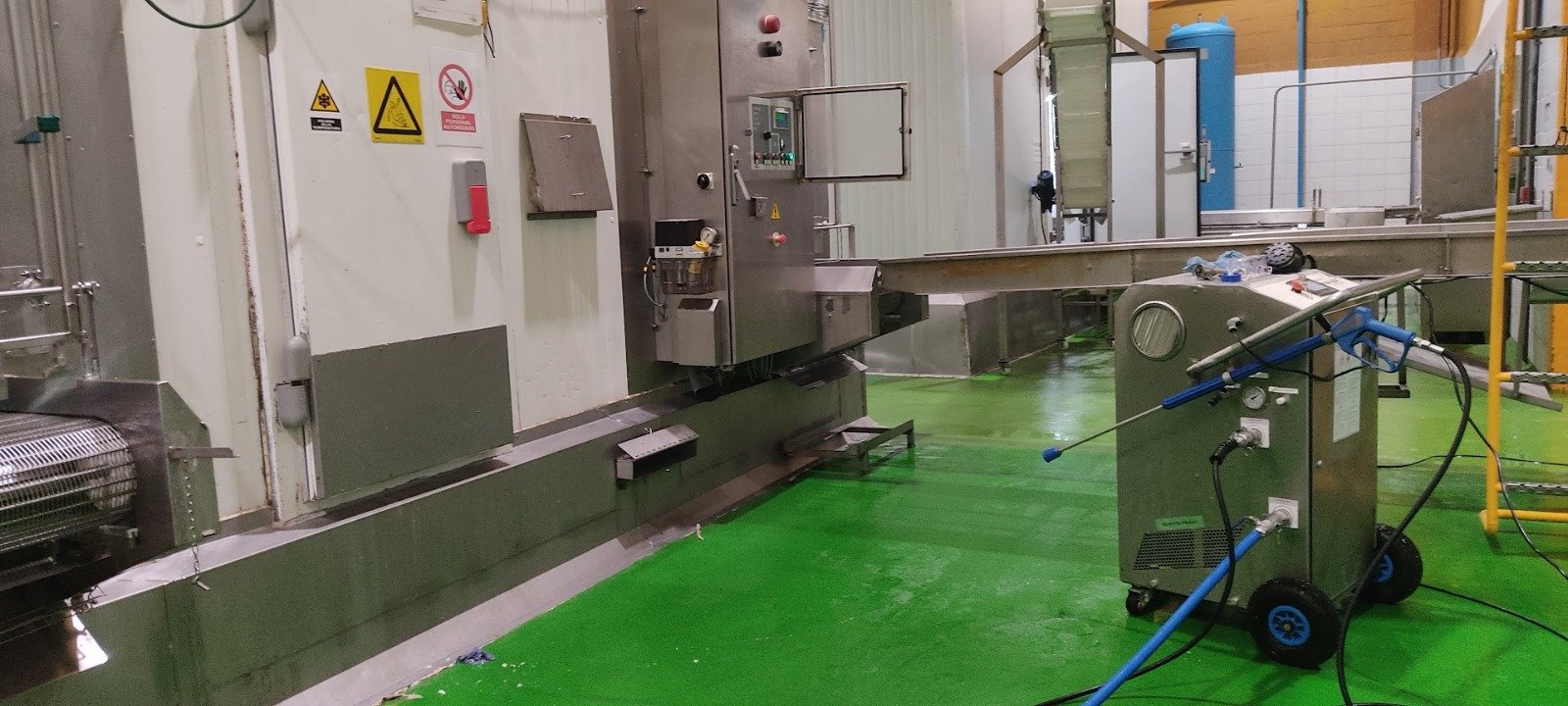
Dairy Hygiene

Surface sanitation in dairy environments

Surface sanitation is another area where ozone can perform very well.

In dairy plants, there is often a need to sanitise external equipment surfaces, hygiene-critical working areas, utensils, and selected food-contact-adjacent zones after cleaning. Ozonated water is well suited to this because it combines strong oxidising action with a cleaner operational profile than many conventional sanitisers.

For processors, this is often where the wider appeal of ozone becomes clearer. It is not only about microbiological control. It is also about simplifying part of the sanitation approach and reducing dependence on stored chemicals where a more modern system is preferred.

Water hygiene and process support

Ozone can also deliver strong value in water hygiene.

In dairy plants, hygiene is influenced not only by direct cleaning but also by the quality of process water, rinse water, and utility water used across the operation. Where water quality is part of the hygiene chain, ozone can strengthen the system by providing a highly effective disinfecting step without relying on a traditional stored sanitiser residual.

This makes ozone particularly attractive where processors want tighter control over water hygiene while also pursuing a cleaner and more streamlined treatment approach.

Why processors continue to look seriously at ozone

For many dairy sites, ozone is attractive because the benefits are practical rather than theoretical.

Reduced dependence on conventional sanitisers

Because ozone is generated on site, it can reduce reliance on purchased sanitising chemicals in suitable applications.

Potential reduction in heat demand

Where ozone can support or replace selected hot sanitising duties, there may be scope to reduce energy use.

Strong hygiene performance

The core reason ozone remains attractive is simple. It is highly effective. Its oxidising strength is what makes it valuable across demanding hygiene and water treatment applications.

Cleaner operational profile

Ozone does not need to be stored in the way many conventional sanitisers are stored. For many processors, that is a meaningful operational advantage.

Fit with efficiency and sustainability goals

Where the application is suitable, ozone can support a more efficient hygiene strategy with lower chemical use and a reduced utility burden.

The right commercial view of ozone in dairy hygiene

There are two mistakes to avoid.

The first is to undersell ozone. It is not a niche or experimental option. It is a proven and highly capable solution with strong relevance across hygiene, sanitation, and water treatment duties.

The second is to oversimplify it. Dairy applications vary. Soil load varies. Process conditions vary. System design, material selection, and safety controls all matter. The strongest results come when ozone is matched properly to the duty and integrated well.

That is the right way to position it commercially.

Ozone is generally a very successful and effective solution. It has clear technical strengths and real practical value in dairy processing. The fact that applications differ does not make the case weaker. It simply means serious processors should assess where ozone can deliver the greatest operational benefit.

---

Dairy plants need hygiene solutions that are effective, practical, and commercially sensible.

Ozone has earned its place in that conversation.

It can support CIP, improve surface sanitation, strengthen water hygiene, and help processors reduce part of the chemical and utility burden associated with conventional cleaning regimes. Not every duty is the same, and no serious supplier should pretend otherwise. But the broader conclusion is still clear: in the right dairy hygiene application, ozone is often one of the strongest hygiene solutions available.

Dairy hygiene is crucial. Plants operate under constant hygiene pressure. The challenge is not simply keeping equipment clean. It is maintaining microbiological control across a demanding production environment while managing residues, wet conditions, high cleaning frequency, and growing pressure to reduce water, energy, and chemical use.

This is where ozone becomes technically relevant.

Ozone is a highly effective and well-established solution for hygiene and water treatment duties. In dairy processing, it can support CIP, improve surface sanitation, strengthen water hygiene, and help reduce dependence on conventional sanitisers in selected applications. Every duty still needs to be considered on its own merits, but the wider point is clear: ozone is not a marginal option. In many dairy environments, it is one of the most effective tools available when applied properly.

Why dairy hygiene is challenging

Dairy processing creates exactly the kind of environment where hygiene systems are tested hard.

Milk residues are complex. Proteins, fats, sugars, and mineral deposits can all contribute to fouling, often in different parts of the plant. Equipment may include tanks, fillers, pipework, valves, plate heat exchangers, and drains, each with its own cleaning challenge. Add moisture, frequent washdowns, and tight production schedules, and hygiene quickly becomes both a technical and operational issue.

This matters because dairy sites are rarely dealing with one simple problem. More often, they are balancing several at once:

Heavy cleaning demand

Dairy soils can be difficult to remove consistently. In many cases, cleaning requires a combination of circulation, temperature, chemistry, and time, which increases utility use and operating cost.

Persistent contamination risk

Where moisture, residues, and hard-to-clean areas come together, hygiene issues can become persistent. Once contamination starts to reappear in specific zones, routine cleaning alone may no longer feel decisive enough.

High utility and chemical consumption

Traditional cleaning and sanitation regimes can be resource-intensive. Hot water, chemical dosing, rinsing, storage, handling, and effluent all add to the cost of maintaining hygiene standards.

Pressure to improve sustainability

Processors are increasingly looking for ways to reduce chemical use, lower heat demand, and simplify hygiene systems without compromising performance.

Why ozone is a strong fit for dairy hygiene

Ozone attracts interest because it addresses several of these pressures at the same time.

It is a powerful oxidising agent with strong sanitising capability, and it is generated on site rather than stored like a conventional chemical sanitiser. That gives processors a different type of hygiene tool, one that can support performance while also helping to reduce part of the chemical and utility burden in the right application.

The important point is not that ozone replaces every part of a dairy hygiene regime. It is that ozone can be extremely effective where strong oxidation and reliable sanitising performance are needed.

That is why it continues to be considered for demanding food and water treatment duties, particularly where processors are looking for a stronger hygiene solution with a cleaner operational profile.

Ozone in CIP applications

CIP is one of the most commercially interesting areas for ozone in dairy processing.

A dairy CIP regime needs to do more than move liquid through the system. It needs to deliver reliable hygiene performance while controlling cleaning time, energy demand, water use, and chemical consumption.

Ozone can add real value here.

Used as part of a well-designed CIP strategy, ozonated water can support the sanitising stage, strengthen microbial control, and help reduce dependence on parts of the conventional sanitising regime. In selected duties, it can also create opportunities to reduce temperature demand, which may lower energy use compared with hot sanitising steps.

That combination is attractive for obvious reasons. Better hygiene support, less chemical reliance, and potential operating savings all matter in dairy plants.

At the same time, the case for ozone is strongest when it is framed properly. In applications with meaningful fat, protein, or mineral loading, ozone is not a substitute for the full cleaning sequence. Soil removal still matters, and cleaning mechanics still matter. But that does not weaken the argument for ozone. It strengthens it. The real value lies in using ozone where it performs best, as a powerful part of the wider hygiene strategy rather than as a simplistic one-step claim.

Dairy Hygiene

Surface sanitation in dairy environments

Surface sanitation is another area where ozone can perform very well.

In dairy plants, there is often a need to sanitise external equipment surfaces, hygiene-critical working areas, utensils, and selected food-contact-adjacent zones after cleaning. Ozonated water is well suited to this because it combines strong oxidising action with a cleaner operational profile than many conventional sanitisers.

For processors, this is often where the wider appeal of ozone becomes clearer. It is not only about microbiological control. It is also about simplifying part of the sanitation approach and reducing dependence on stored chemicals where a more modern system is preferred.

Water hygiene and process support

Ozone can also deliver strong value in water hygiene.

In dairy plants, hygiene is influenced not only by direct cleaning but also by the quality of process water, rinse water, and utility water used across the operation. Where water quality is part of the hygiene chain, ozone can strengthen the system by providing a highly effective disinfecting step without relying on a traditional stored sanitiser residual.

This makes ozone particularly attractive where processors want tighter control over water hygiene while also pursuing a cleaner and more streamlined treatment approach.

Why processors continue to look seriously at ozone

For many dairy sites, ozone is attractive because the benefits are practical rather than theoretical.

Reduced dependence on conventional sanitisers

Because ozone is generated on site, it can reduce reliance on purchased sanitising chemicals in suitable applications.

Potential reduction in heat demand

Where ozone can support or replace selected hot sanitising duties, there may be scope to reduce energy use.

Strong hygiene performance

The core reason ozone remains attractive is simple. It is highly effective. Its oxidising strength is what makes it valuable across demanding hygiene and water treatment applications.

Cleaner operational profile

Ozone does not need to be stored in the way many conventional sanitisers are stored. For many processors, that is a meaningful operational advantage.

Fit with efficiency and sustainability goals

Where the application is suitable, ozone can support a more efficient hygiene strategy with lower chemical use and a reduced utility burden.

The right commercial view of ozone in dairy hygiene

There are two mistakes to avoid.

The first is to undersell ozone. It is not a niche or experimental option. It is a proven and highly capable solution with strong relevance across hygiene, sanitation, and water treatment duties.

The second is to oversimplify it. Dairy applications vary. Soil load varies. Process conditions vary. System design, material selection, and safety controls all matter. The strongest results come when ozone is matched properly to the duty and integrated well.

That is the right way to position it commercially.

Ozone is generally a very successful and effective solution. It has clear technical strengths and real practical value in dairy processing. The fact that applications differ does not make the case weaker. It simply means serious processors should assess where ozone can deliver the greatest operational benefit.

—

Dairy plants need hygiene solutions that are effective, practical, and commercially sensible.

Ozone has earned its place in that conversation.

It can support CIP, improve surface sanitation, strengthen water hygiene, and help processors reduce part of the chemical and utility burden associated with conventional cleaning regimes. Not every duty is the same, and no serious supplier should pretend otherwise. But the broader conclusion is still clear: in the right dairy hygiene application, ozone is often one of the strongest hygiene solutions available.