Home › Insights › The Role of Ozone in Sustainable Agriculture in the UK

The Role of Ozone in Sustainable Agriculture in the UK

The Role of Ozone in Sustainable Agriculture in the UK

Water Treatment with Ozone in Sustainable Agriculture

Water scarcity and contamination are significant challenges in agriculture. Ozone technology offers an effective solution by purifying irrigation water. Ozone’s strong oxidising properties eliminate pathogens, bacteria, and harmful chemicals from water sources, ensuring that crops are irrigated with clean, safe water. This process reduces dependence on chemical disinfectants and minimises the risk of contaminating groundwater with agricultural runoff. In the UK, where water quality regulations are stringent, ozone treatment can help farmers meet these standards while maintaining high productivity.

Soil Health and Sustainable Farming

Healthy soil is the cornerstone of sustainable agriculture. Ozonated water can enhance soil health by breaking down organic pollutants and promoting the growth of beneficial microorganisms. These microorganisms play a crucial role in nutrient cycling and soil structure maintenance. By improving soil health, ozone treatment can lead to better crop yields and more resilient farming systems. In the UK, where soil degradation is a concern, adopting ozone technology can support long-term soil sustainability and boost agricultural productivity.

Ozone in Pest and Disease Control

Pesticides and chemical treatments are widely used in agriculture to control pests and diseases, but they come with environmental and health risks. Ozone in sustainable agriculture can serve as a natural pesticide, effectively controlling a wide range of pathogens without leaving harmful residues. This aligns with the UK’s commitment to reducing pesticide usage and promoting organic farming practices. Ozone treatment can be used in both pre-harvest and post-harvest stages, ensuring that crops remain healthy and free from diseases throughout the production cycle.

Food Safety Benefits of Ozone Technology

Ensuring food safety is paramount in agriculture, especially in a market with rigorous standards like the UK. Ozone is highly effective in sanitising produce and eliminating bacteria, viruses, and other pathogens that can cause foodborne illnesses. Unlike chemical sanitisers, ozone leaves no toxic residues and decomposes into oxygen, making it a safe and environmentally friendly option. This technology is particularly beneficial for organic farmers who seek to maintain high safety standards without compromising their organic certification.
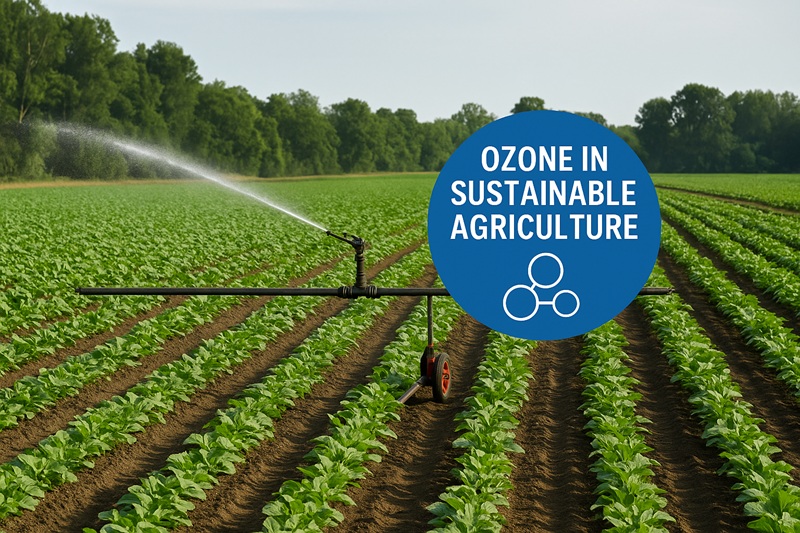
 

Ozone in Sustainable Agriculture

Case Studies and Examples

Several UK farms have successfully implemented ozone technology, showcasing its benefits. For example, a vegetable farm in Yorkshire reported improved crop quality and reduced water usage after integrating ozone treatment into their irrigation system. Another dairy farm in Somerset used ozone to purify water for livestock, resulting in healthier animals and lower veterinary costs. These case studies highlight the practical advantages of ozone in sustainable agriculture across diverse farming settings.

Economic and Environmental Benefits

Adopting ozone technology in agriculture offers both economic and environmental benefits. Economically, it can lead to cost savings by reducing the need for chemical inputs and improving crop yields. Environmentally, ozone treatment supports sustainable farming practices by reducing chemical runoff, enhancing soil health, and conserving water resources. These benefits align with the UK’s broader goals of promoting sustainable and environmentally friendly agriculture.

Challenges and Considerations

While ozone technology offers numerous benefits, there are challenges to its implementation. The initial cost of ozone generators and the need for specialised equipment can be a barrier for some farmers. Additionally, there may be a learning curve associated with integrating ozone treatment into existing farming practices. However, these challenges can be mitigated through government incentives, subsidies, and training programmes that support farmers in adopting innovative technologies.

Ozone technology presents a promising avenue for advancing sustainable agriculture in the UK. By enhancing water treatment, soil health, pest and disease control, and food safety, ozone can contribute to a more sustainable, productive, and environmentally friendly agricultural sector. Embracing this technology can help UK farmers lead the way in sustainable farming practices, ensuring a healthier future for both the agricultural industry and the environment.

Water Treatment with Ozone in Sustainable Agriculture

Water scarcity and contamination are significant challenges in agriculture. Ozone technology offers an effective solution by purifying irrigation water. Ozone’s strong oxidising properties eliminate pathogens, bacteria, and harmful chemicals from water sources, ensuring that crops are irrigated with clean, safe water. This process reduces dependence on chemical disinfectants and minimises the risk of contaminating groundwater with agricultural runoff. In the UK, where water quality regulations are stringent, ozone treatment can help farmers meet these standards while maintaining high productivity.

Soil Health and Sustainable Farming

Healthy soil is the cornerstone of sustainable agriculture. Ozonated water can enhance soil health by breaking down organic pollutants and promoting the growth of beneficial microorganisms. These microorganisms play a crucial role in nutrient cycling and soil structure maintenance. By improving soil health, ozone treatment can lead to better crop yields and more resilient farming systems. In the UK, where soil degradation is a concern, adopting ozone technology can support long-term soil sustainability and boost agricultural productivity.

Ozone in Pest and Disease Control

Pesticides and chemical treatments are widely used in agriculture to control pests and diseases, but they come with environmental and health risks. Ozone in sustainable agriculture can serve as a natural pesticide, effectively controlling a wide range of pathogens without leaving harmful residues. This aligns with the UK’s commitment to reducing pesticide usage and promoting organic farming practices. Ozone treatment can be used in both pre-harvest and post-harvest stages, ensuring that crops remain healthy and free from diseases throughout the production cycle.

Food Safety Benefits of Ozone Technology

Ensuring food safety is paramount in agriculture, especially in a market with rigorous standards like the UK. Ozone is highly effective in sanitising produce and eliminating bacteria, viruses, and other pathogens that can cause foodborne illnesses. Unlike chemical sanitisers, ozone leaves no toxic residues and decomposes into oxygen, making it a safe and environmentally friendly option. This technology is particularly beneficial for organic farmers who seek to maintain high safety standards without compromising their organic certification.


Ozone in Sustainable Agriculture

Case Studies and Examples

Several UK farms have successfully implemented ozone technology, showcasing its benefits. For example, a vegetable farm in Yorkshire reported improved crop quality and reduced water usage after integrating ozone treatment into their irrigation system. Another dairy farm in Somerset used ozone to purify water for livestock, resulting in healthier animals and lower veterinary costs. These case studies highlight the practical advantages of ozone in sustainable agriculture across diverse farming settings.

Economic and Environmental Benefits

Adopting ozone technology in agriculture offers both economic and environmental benefits. Economically, it can lead to cost savings by reducing the need for chemical inputs and improving crop yields. Environmentally, ozone treatment supports sustainable farming practices by reducing chemical runoff, enhancing soil health, and conserving water resources. These benefits align with the UK’s broader goals of promoting sustainable and environmentally friendly agriculture.

Challenges and Considerations

While ozone technology offers numerous benefits, there are challenges to its implementation. The initial cost of ozone generators and the need for specialised equipment can be a barrier for some farmers. Additionally, there may be a learning curve associated with integrating ozone treatment into existing farming practices. However, these challenges can be mitigated through government incentives, subsidies, and training programmes that support farmers in adopting innovative technologies.

Ozone technology presents a promising avenue for advancing sustainable agriculture in the UK. By enhancing water treatment, soil health, pest and disease control, and food safety, ozone can contribute to a more sustainable, productive, and environmentally friendly agricultural sector. Embracing this technology can help UK farmers lead the way in sustainable farming practices, ensuring a healthier future for both the agricultural industry and the environment.