Home › Insights › Ozone Generators in Water Treatment

Ozone Generators in Water Treatment

Ozone Generators in Water Treatment

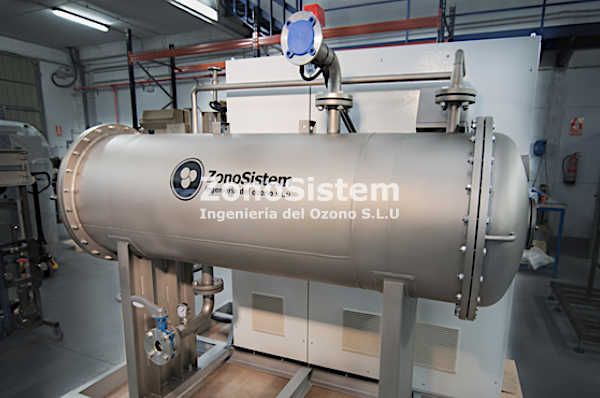
Ozone generators are widely used in water treatment for oxidation, disinfection support, odour reduction and the treatment of certain organic and inorganic contaminants. However, successful ozone treatment depends on more than simply selecting a generator with the right g/h output. Water quality, ozone demand, gas transfer, contact time, residual monitoring and off-gas control all influence the final result.

Water treatment is a critical process across various industries, ensuring water is clean, safe, and free from harmful contaminants. Traditional methods like chlorine disinfection can leave chemical residues, creating additional challenges. Ozone water treatment offers a powerful, eco-friendly alternative, effectively disinfecting water, removing metals like iron and manganese, and reducing COD (Chemical Oxygen Demand) without harmful by-products. With over 100 years of proven success in municipal and industrial applications, ozone technology remains one of the most reliable water treatment solutions available.

Problem Analysis: Challenges in Water Treatment

Water contamination presents several challenges, including:

  • Pathogen Control: Harmful bacteria, viruses, and protozoa such as Cryptosporidium and Giardia are resistant to traditional chlorine disinfection.
  • Chemical Residues: Chlorine and other chemical treatments often leave behind by-products like trihalomethanes (THMs), which can pose health risks.
  • Metal Removal: Iron and manganese in water systems lead to scaling, discolouration, and operational inefficiencies.
  • Taste and Odor Issues: Contaminants can alter water’s taste and smell, affecting usability in industrial and municipal systems.
Solution: How Ozone Water Treatment Works

Ozone is a highly reactive oxidizing agent that addresses these issues effectively:

  • Disinfection: Ozone inactivates or kills bacteria, viruses, and protozoa by oxidizing their cell membranes, ensuring clean and safe water.
  • Metal Oxidation: Ozone reacts with metals like iron and manganese, converting them into insoluble forms that can be filtered out.
  • Chemical-Free Treatment: Unlike chlorine, ozone leaves no harmful residues, breaking down into oxygen after use.
  • Versatility: Ozone is effective in various applications, including drinking water plants, wastewater treatment facilities, bottling plants, aquariums, and swimming pools.

Case Studies: Real-World Applications of Ozone Water Treatment

  1. Municipal Water Treatment:
    • A municipality with surface water containing Cryptosporidium and Giardia implemented an ozone system. Unlike chlorine, ozone penetrated and destroyed these protozoa, ensuring safe drinking water.
  2. Industrial Wastewater Treatment:
    • A manufacturing plant reduced COD levels by 75% using ozone, enabling them to discharge treated water without additional processing.

Implementation Steps: How to Use Ozone Generators in Water Treatment

  1. Assess Water Quality:
    • Test for contaminants like bacteria, metals, and organic compounds.
  2. Select the Right Ozone System:
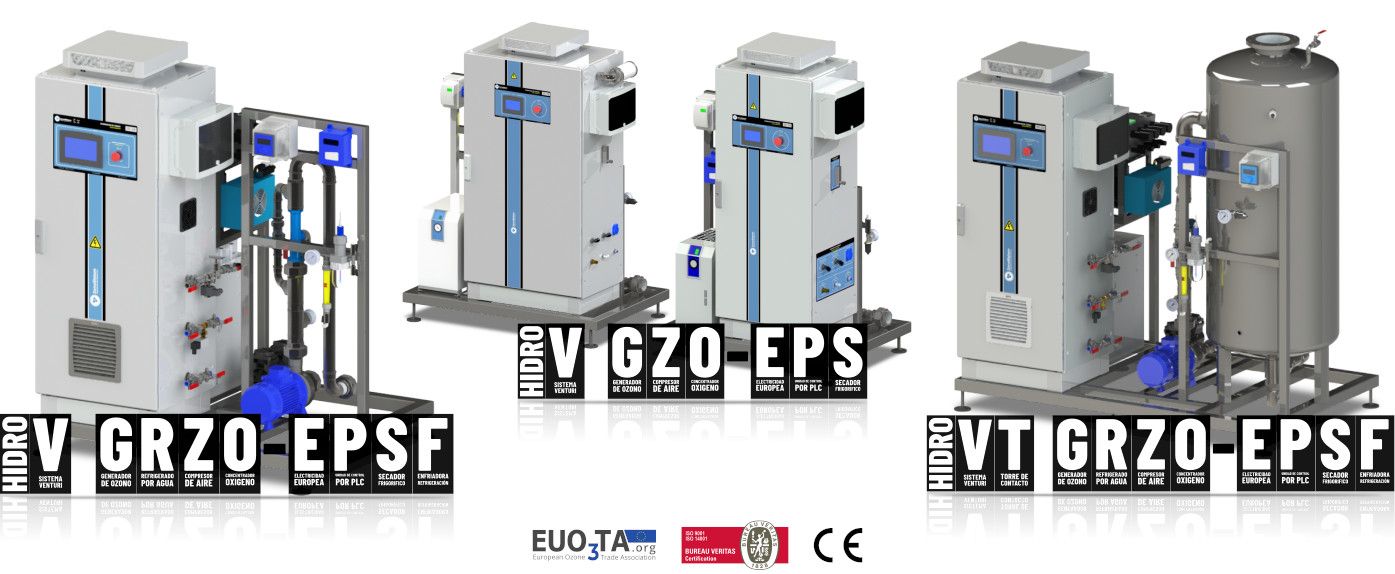
    • Choose a system based on water flow rate and required ozone dosage (typically 1.0–2.0 mg/L).
  3. Install and Integrate:
    • Position the ozone generator at the start of the treatment line for pre-treatment or after other equipment for final disinfection.
  4. Monitor and Optimize:
    • Use sensors to monitor ozone levels and ensure optimal performance.

FAQs: Common Questions About Ozone Water Treatment

Q: How does ozone compare to chlorine for disinfection?
Ozone is faster and more effective than chlorine, especially against chlorine-resistant organisms like Cryptosporidium. It also avoids harmful by-products like THMs.

Q: Is ozone safe for drinking water?
Yes, ozone is widely used in drinking water plants globally. After treatment, it breaks down into oxygen, leaving no harmful residues.

Q: Can ozone treat industrial wastewater?
Absolutely. Ozone effectively reduces COD, removes metals, and eliminates bacteria, making it ideal for industrial applications.
Ozone Water ultraviolet

Ozone water treatment provides a powerful, eco-friendly, and cost-effective alternative to traditional methods. Its ability to disinfect, oxidize metals, and improve water quality without harmful residues makes it indispensable for municipal, industrial, and commercial applications.

Ready to upgrade your water treatment system? Explore our advanced ozone water injection systems here and contact us for a tailored solution.

Ozone generators are widely used in water treatment for oxidation, disinfection support, odour reduction and the treatment of certain organic and inorganic contaminants. However, successful ozone treatment depends on more than simply selecting a generator with the right g/h output. Water quality, ozone demand, gas transfer, contact time, residual monitoring and off-gas control all influence the final result.

Water treatment is a critical process across various industries, ensuring water is clean, safe, and free from harmful contaminants. Traditional methods like chlorine disinfection can leave chemical residues, creating additional challenges. Ozone water treatment offers a powerful, eco-friendly alternative, effectively disinfecting water, removing metals like iron and manganese, and reducing COD (Chemical Oxygen Demand) without harmful by-products. With over 100 years of proven success in municipal and industrial applications, ozone technology remains one of the most reliable water treatment solutions available.

Problem Analysis: Challenges in Water Treatment

Water contamination presents several challenges, including:

  • Pathogen Control: Harmful bacteria, viruses, and protozoa such as Cryptosporidium and Giardia are resistant to traditional chlorine disinfection.
  • Chemical Residues: Chlorine and other chemical treatments often leave behind by-products like trihalomethanes (THMs), which can pose health risks.
  • Metal Removal: Iron and manganese in water systems lead to scaling, discolouration, and operational inefficiencies.
  • Taste and Odor Issues: Contaminants can alter water’s taste and smell, affecting usability in industrial and municipal systems.
51366

Solution: How Ozone Water Treatment Works

Ozone is a highly reactive oxidizing agent that addresses these issues effectively:

  • Disinfection: Ozone inactivates or kills bacteria, viruses, and protozoa by oxidizing their cell membranes, ensuring clean and safe water.
  • Metal Oxidation: Ozone reacts with metals like iron and manganese, converting them into insoluble forms that can be filtered out.
  • Chemical-Free Treatment: Unlike chlorine, ozone leaves no harmful residues, breaking down into oxygen after use.
  • Versatility: Ozone is effective in various applications, including drinking water plants, wastewater treatment facilities, bottling plants, aquariums, and swimming pools.

Case Studies: Real-World Applications of Ozone Water Treatment

  1. Municipal Water Treatment:
    • A municipality with surface water containing Cryptosporidium and Giardia implemented an ozone system. Unlike chlorine, ozone penetrated and destroyed these protozoa, ensuring safe drinking water.
  2. Industrial Wastewater Treatment:
    • A manufacturing plant reduced COD levels by 75% using ozone, enabling them to discharge treated water without additional processing.

Implementation Steps: How to Use Ozone Generators in Water Treatment

  1. Assess Water Quality:
    • Test for contaminants like bacteria, metals, and organic compounds.
  2. Select the Right Ozone System:
    • Choose a system based on water flow rate and required ozone dosage (typically 1.0–2.0 mg/L).
  3. Install and Integrate:
    • Position the ozone generator at the start of the treatment line for pre-treatment or after other equipment for final disinfection.
  4. Monitor and Optimize:
    • Use sensors to monitor ozone levels and ensure optimal performance.

FAQs: Common Questions About Ozone Water Treatment

Q: How does ozone compare to chlorine for disinfection?
Ozone is faster and more effective than chlorine, especially against chlorine-resistant organisms like Cryptosporidium. It also avoids harmful by-products like THMs.

Q: Is ozone safe for drinking water?
Yes, ozone is widely used in drinking water plants globally. After treatment, it breaks down into oxygen, leaving no harmful residues.

Q: Can ozone treat industrial wastewater?
Absolutely. Ozone effectively reduces COD, removes metals, and eliminates bacteria, making it ideal for industrial applications.

Ozone Water ultraviolet

Ozone water treatment provides a powerful, eco-friendly, and cost-effective alternative to traditional methods. Its ability to disinfect, oxidize metals, and improve water quality without harmful residues makes it indispensable for municipal, industrial, and commercial applications.

Ready to upgrade your water treatment system? Explore our advanced ozone water injection systems here and contact us for a tailored solution.