
Polytunnel Mould & Hygiene Control
Hygiene, monitoring and ozonated water support for soft fruit, salad crops and protected growing environments affected by humidity, mould pressure and post-harvest losses.
Typical challenges
- High humidity and condensation
- Botrytis and mould pressure
- Short post-harvest shelf life
- Irrigation tank and line biofilm
- Crate, tray and tool hygiene
- Cold room and handling area hygiene
Protected crops do not fail from one hygiene issue alone.
In polytunnel and protected crop production, mould risk is usually driven by a combination of humidity, condensation, airflow, crop handling, water systems, harvest equipment and post-harvest storage.
Growing Environment
High humidity, condensation, poor air movement and dense crop canopies can increase the risk of mould and disease pressure.
Water Systems
Irrigation tanks, pipework, fertigation systems and recirculation loops can develop biofilm and microbial contamination.
Harvest & Handling
Crates, trays, tools, worker handling and cold room transfer areas can carry contamination between harvests and batches.
Where ozone and monitoring can support growers
The strongest opportunity is not simply “putting ozone into a polytunnel”. It is using monitoring, water hygiene and post-harvest hygiene as practical layers of risk reduction.
Humidity Risk Monitoring
Track temperature, relative humidity, dew point, VPD and leaf wetness risk to identify high-risk mould windows.
Irrigation Line Hygiene
Use ozonated water to support hygiene in tanks, pipework and irrigation systems where biofilm control is required.
Crate & Tool Hygiene
Support cleaning routines for harvest crates, trays, tools and reusable equipment used around sensitive crops.
Packhouse Washdown
Integrate ozonated water into washdown routines for suitable packhouse surfaces, handling areas and transfer zones.
Cold Room Support
Controlled ozone may support odour and microbial pressure reduction in selected cold storage environments.
Post-Harvest Quality
Support cleaner handling and storage conditions after harvest to help protect product quality and shelf life.
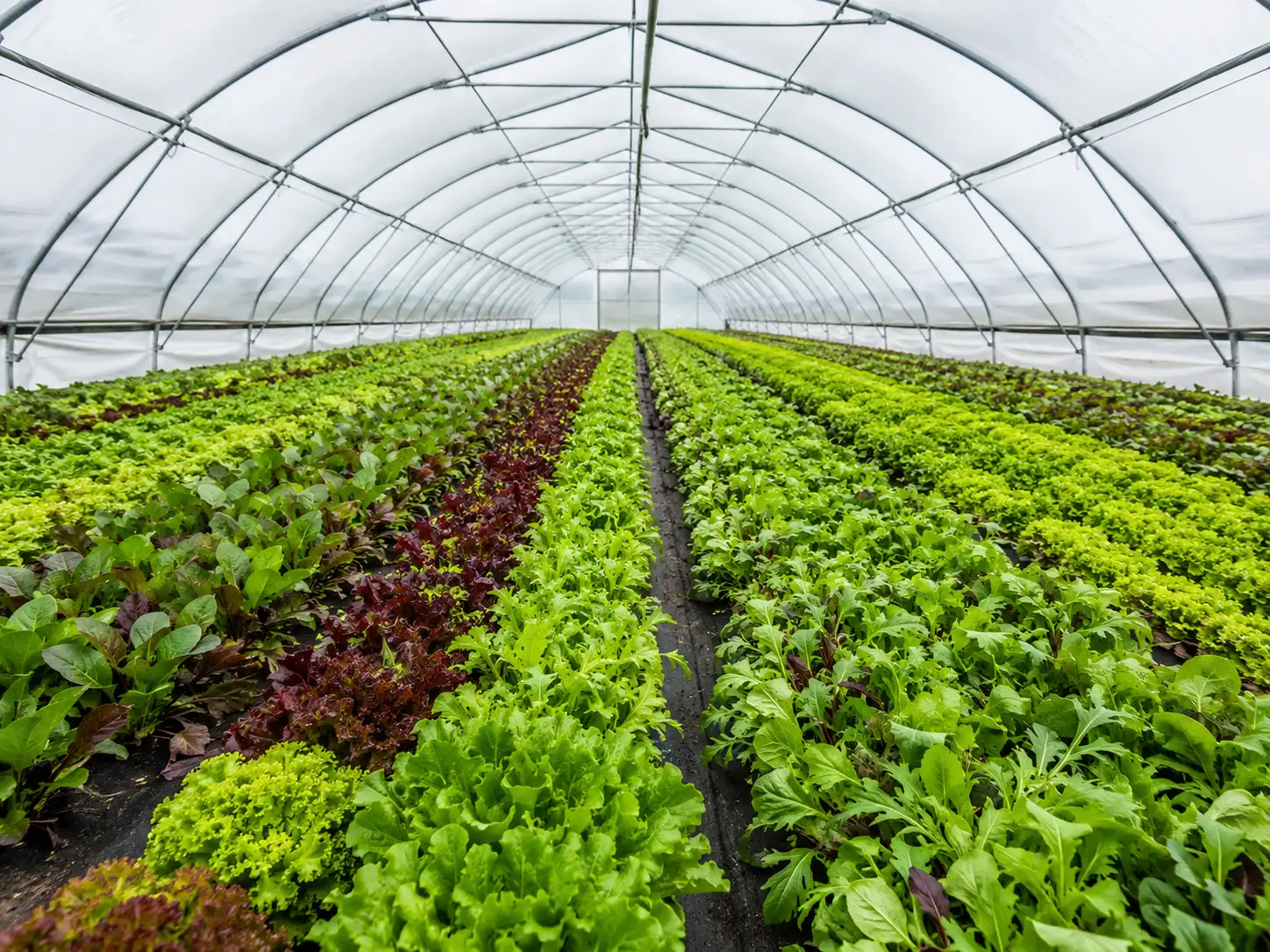
Humidity is often the hidden driver behind mould pressure.
In soft fruit and protected crop environments, humidity and condensation can create conditions where mould pressure builds quickly. Ozone should not be treated as a replacement for good ventilation or agronomy, but it can support hygiene and post-harvest risk reduction when used correctly.
- Humidity and dew point monitoring
- Risk alerts during high-pressure periods
- Support for IPM and hygiene routines
- Cleaner water systems and harvest equipment
- Reduced background microbial pressure where suitable
- Site-specific system design and validation
Typical solution packages
Growers do not always need a large ozone system. The right solution may start with monitoring, water hygiene or a small post-harvest hygiene system.
Monitoring Only
Sensors and risk tracking for temperature, humidity, dew point, VPD and crop-zone conditions inside protected growing areas.
Ozonated Water Hygiene
Ozonated water systems for irrigation tanks, pipework, crate cleaning, tool hygiene and packhouse washdown routines.
Integrated Hygiene Support
Combined monitoring, ozonated water, cold room support and practical hygiene protocols for higher-risk growing operations.
Designed to support growers, not replace crop management.
Polytunnel hygiene technology should support the grower’s existing crop management strategy. It should not be positioned as a replacement for ventilation, airflow, irrigation management, approved plant protection products or agronomic advice.
- Support for IPM and hygiene programmes
- Water system and post-harvest hygiene focus
- Careful consideration of crop sensitivity
- No uncontrolled ozone exposure to workers or crop
- Monitoring and safety controls where required
- Pilot testing where performance claims are needed

How Ozcon approaches polytunnel hygiene projects
We help identify where ozone and monitoring can genuinely add value, and where conventional crop management, airflow or hygiene improvements should come first.
Understand the crop and site
We review the crop type, tunnel layout, humidity issues, ventilation, irrigation system, harvest routine and post-harvest handling process.
Identify the risk points
We look for the most likely sources of mould pressure, including condensation, water systems, crates, tools, handling areas and cold storage.
Select the right control layer
The right solution may be monitoring, ozonated water, irrigation hygiene, crate wash support, cold room support or a combined approach.
Validate where needed
For performance claims, we recommend trials, microbial testing or site-specific validation before full-scale reliance.
What we need to know before recommending a system
A short technical review helps establish whether monitoring, ozonated water or a combined hygiene package is the best fit for your growing operation.
Crop & Environment
- Crop type
- Polytunnel size
- Temperature and humidity range
- Known mould or disease pressure
Water System
- Water source
- Irrigation method
- Tank volume
- Pipework and biofilm issues
Handling Process
- Harvest crate routine
- Packhouse layout
- Cold room use
- Validation requirements
Explore connected food safety applications
Protected crop hygiene often connects with fresh produce handling, process water, cold storage and wider post-harvest quality control.
Useful next steps
Need help with mould pressure or hygiene in a polytunnel?
Tell us about your crop, tunnel size, humidity conditions, irrigation system and post-harvest process. We will help you understand where ozone, ozonated water and monitoring may fit.