

UV light can help control free-floating algae in water, but it does not remove all algae from surfaces, ponds, tanks or pipework. Its effectiveness depends on water clarity, exposure time, flow rate and correct system sizing.
When it comes to managing algae in water systems—be it in ponds, aquariums, or water treatment facilities—one of the most commonly discussed solutions is ultraviolet (UV) light. UV light is often associated with its disinfectant properties, particularly for targeting microorganisms. But will a UV light effectively kill algae and solve algae-related issues? Let’s dive into the science behind UV technology, its effectiveness, and its applications in combating algae growth.
Understanding Algae and UV Light
Algae are a diverse group of photosynthetic organisms that can be found in various water bodies. Some algae species are beneficial, contributing oxygen to the water ecosystem, but excessive growth can cause problems. Algae can rapidly multiply in nutrient-rich environments, resulting in blooms that harm water quality, clog filters, and deplete oxygen. This is where UV light becomes a potential solution.
UV light technology operates by emitting a specific wavelength of ultraviolet radiation, typically UV-C (200-280 nm). UV-C light has been widely used for sterilization in both air and water systems due to its ability to damage the DNA and RNA of microorganisms, effectively stopping them from reproducing.
How UV Light Affects Algae
UV light works on algae in a manner similar to other microorganisms. When exposed to UV-C light, the DNA within algae cells absorbs the UV radiation, causing mutations that inhibit cell replication. Over time, this results in the destruction of algae cells. However, it’s essential to understand that UV light does not immediately “kill” algae in the traditional sense. Rather, it prevents them from reproducing, thus gradually reducing their population and curtailing bloom growth.
Will UV Light kill Algae?
The effectiveness of UV light depends on the type of algae:
Free-floating algae – These are single-celled organisms that cause green water and cloudiness in ponds and aquariums. UV light is particularly effective against free-floating algae, as these algae cells pass through the UV light in the filtration system and are directly exposed to UV-C radiation.
Attached algae (such as green algae on surfaces) – UV light is less effective against algae attached to surfaces like rocks, glass, or other materials. This type of algae doesn’t pass through the UV system and won’t be exposed to UV radiation directly, so it continues to grow undeterred on surfaces.
Planktonic algae – Common in larger water bodies, planktonic algae float freely and can often be controlled by UV systems if they continuously circulate through the UV sterilizer.
UV systems are, therefore, particularly effective for treating free-floating and planktonic algae, but they are not a solution for removing algae growing on surfaces or those anchored within sediment layers.
How UV Systems Are Used to Combat Algae in Water Systems
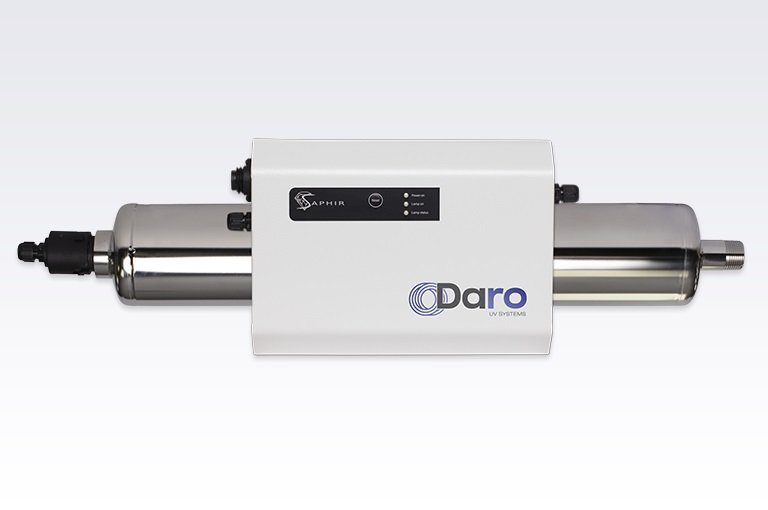
UV systems are integrated into water filtration setups where the water is passed through a UV sterilizer chamber. Here’s how this setup typically works:
Pond and Aquarium Systems – For small-scale systems, like garden ponds and aquariums, a UV sterilizer is often installed within the filtration loop. The water circulates through the UV chamber, where any free-floating algae and other microorganisms in the water are irradiated.
Industrial Water Treatment – In larger-scale applications, UV light is part of multi-step water treatment processes. In addition to removing algae, UV light assists in the disinfection of bacteria, viruses, and other pathogens.
Municipal Drinking Water – Many drinking water plants use UV disinfection as a secondary barrier to treat any remaining pathogens after primary filtration and chemical disinfection steps. In these cases, UV light can also manage algae in the water source, though pre-filtration is necessary to address other impurities.
Pros and Cons of Using UV Light to Kill Algae
Pros
Chemical-Free Treatment – UV light is a non-chemical method that does not add any residues or by-products to the water, making it environmentally friendly and safe for aquatic life when properly sized.
Effective for Controlling Free-Floating Algae – UV is particularly effective at clearing green water caused by free-floating algae, helping maintain clearer water in ponds and aquariums.
Broad-Spectrum Disinfection – Besides algae, UV light also deactivates other harmful pathogens, providing an additional layer of disinfection.
Cons
Limited Effect on Surface and Attached Algae – UV light only treats water that flows directly through the sterilizer, so it doesn’t affect algae growing on surfaces, rocks, or substrate.
Initial and Maintenance Costs – While UV systems are generally cost-effective, there are upfront costs, and UV bulbs must be replaced periodically to maintain effectiveness, as they degrade over time.
Dependency on Flow Rate – For UV systems to effectively treat algae, water flow rate and exposure time must be carefully controlled. Too fast a flow rate means that algae cells do not receive sufficient UV exposure.
Sizing UV Systems for Algae Control
An effective UV system requires proper sizing to achieve the necessary intensity and exposure. For example, a pond UV sterilizer with an output of 5-10 watts per 1000 gallons of water is generally effective in managing algae growth, depending on water clarity and algae density. In commercial and industrial systems, UV dosage requirements are calculated based on factors such as flow rate, water clarity, and treatment goals to achieve optimal algae control.
Here are a few sizing considerations:
Flow Rate – Slower flow rates ensure longer exposure to UV light, increasing effectiveness. Adjusting flow rate according to the tank’s algae load can improve results.
Water Turbidity – Cloudy or dirty water reduces the penetration of UV light, which can lower its effectiveness. Pre-filtration may be required to ensure that UV light reaches the algae effectively.
Bulb Wattage and UV Dose – Higher wattage UV lamps deliver greater UV energy, making them suitable for larger or high-flow systems. For smaller systems, lower wattage lamps are generally sufficient.
UV Light as Part of an Integrated Algae Management Strategy
While UV light is effective in reducing free-floating algae, it works best as part of a broader algae management approach. Here are some complementary strategies:
Nutrient Control – Since algae thrive on nutrients, particularly phosphates and nitrates, controlling nutrient levels can prevent excessive algae growth. Reducing fertilizers, controlling feeding, and avoiding runoff into ponds are effective steps.
Aeration – Proper aeration in ponds and tanks helps prevent stagnant areas where algae can bloom. Increased oxygen levels also promote beneficial bacteria that outcompete algae for nutrients.
Mechanical Filtration – Using filters to remove organic debris, suspended solids, and surface algae can reduce nutrient availability and improve UV light penetration, enhancing UV effectiveness.
Natural Algae Eaters – In some systems, fish like koi, plecostomus, and snails can naturally control algae populations by feeding on them.
Shading – Reducing direct sunlight exposure by using shade or floating plants can limit the light available for photosynthesis, thus slowing algae growth.
Is UV Light the Right Solution for Algae Control?
In summary, UV light is highly effective for controlling free-floating and planktonic algae, making it an excellent choice for improving water clarity in ponds, aquariums, and certain water treatment applications. However, it is not a standalone solution and is less effective for removing algae attached to surfaces. When implemented as part of an integrated algae management strategy that includes nutrient control, mechanical filtration, and aeration, UV light can play a crucial role in keeping algae growth in check and maintaining clearer, healthier water systems.
Understanding the limitations and proper application of UV light will maximize its benefits in algae control, ensuring it works in synergy with other management practices for optimal results.